
 Susana Schwartz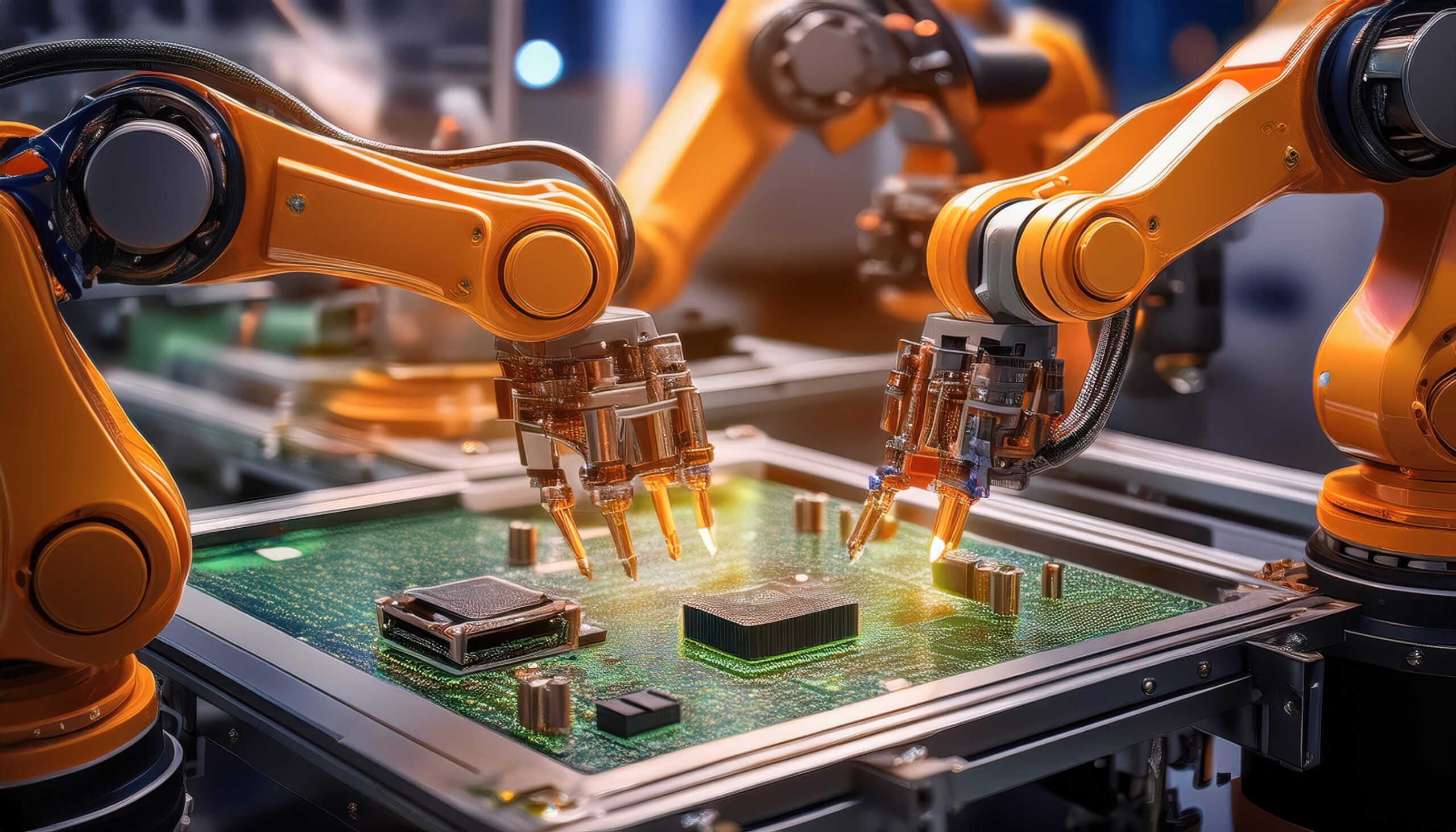
Micron abandons consumer market for AI HBM
With the only U.S.-based memory supplier, Micron, going all-in on the lucrative AI HBM race, what impact will it have on consumer-facing products like smartphones and PCs? It’s the latest example of how AI infrastructure is affecting other markets.
Micron’s Crucial brand’s RAM and SSDs were essential to PC builders, smartphone manufacturers and general consumers, but the allure of the AI market’s growing thirst for memory was too hard for Micron to ignore. “Micron has made the difficult decision to exit the Crucial consumer business in order to improve supply and support for our larger, strategic customers in faster-growing segments,” said Sumit Sadana, Micron business chief, announcing a reallocation of production and R&D to high-profit, critical chips like HBM for AI data centers. That leaves two companies: Samsung and SK Hynix manufacture.
The pivot is expected to be a significant blow to consumers, whose smartphone and gadget prices are already set to surge because of the fierce battle for dwindling resources between AI and consumer-electronics companies. Even before Micron’s announcement, Counterpoint Research had predicted memory prices would surge by 30% in Q4 2025, and perhaps an additional 20% in early 2026.
With this news, there will no doubt be a rush to hoard the once-innocuous, but now-glamorous components companies like Micron, Samsung, and SK Hynix manufacture. You know there’s something amiss when Japanese electronics stores start limiting how many hard-disk drives shoppers can buy.
RCRTech will next week do a deeper dive on Micron’s exit and the impact the supply shift will have on the memory supply chain and prices.

Susana Schwartz
Technology Editor
RCRTech
AI Infrastructure Top Stories
The powerful combo of Wi-Fi and AI: With rollouts of Wi-Fi 8 on the horizon, the question is not if, but how quickly will AI impact home connectivity? Nokia says AI will be crucial to understanding the 200 billion data points it collects every 24 hours.
AWS CEO focuses on electrical capacity: Matt Garman emphasized the growing interdependence between massive AI workloads, power availability, custom silicon and global data-center expansion in his re:Invent 2025 keynote.
Actis launches Terranova data center project: “Latin America is entering a new phase of digital-infrastructure growth driven by cloud, AI, and enterprise requirements,” said Actis Terranova CEO José Eduardo Quintella.
AI Today: What You Need to Know
Corintis Microfluidics for cooler chips: Data center racks now cram as much as 270 kW into each server rack, so Corintis is developing microfluidics that channel water or other liquids directly to specific parts of a chip for targeted cooling.
China’s access to AI chips: U.S. senators have unveiled a bipartisan bill that would block the Trump administration from loosening rules restricting China’s access to AI chips for 2.5 years (as well as Russia, Iran or North Korea).
Custom AI chips race heats up: AWS’s vertical integration, cloud and chip offering has gotten attention this week, but Marvell and Google are also developing custom chips for AI apps, possibly chipping away at Nvidia’s dominance in AI compute.
Cambricon to triple chip output: To fill a void left by Nvidia’s exit and to wrest market share from Huawei, Cambricon will triple its chip output in China, with plans to deliver 500,000 million AI accelerators in 2026 (incl. Siyuan 590 and 690 chips),
AMD and HPE expand collaboration: HPE will adopt the AMD Helios rack-scale AI architecture, integrating its Juniper Networking scale-up switch (with Broadcom) and and software for seamless, high-bandwidth connectivity over Ethernet.
Marvell expansion into Toronto, Ontario: Marvell Technology will invest $238 million for a new office in Toronto and scaling up of the company’s semiconductor R&D operations in Ottawa and York Region, incl. a new 8,000-sq-ft optical lab.