

In sum – what to know:
Meta shifts focus to AI infrastructure: Meta plans as much as $600 billion in U.S. investments by 2028.
6.6 GW of nuclear power: Deals with Vistra, TerraPower, and Oklo make Meta biggest corporate purchaser of nuclear energy.
High-profile hires: Banker and former Trump advisor Dina Powell McCormick as new Meta president, and Santosh Janardhan and Daniel Gross to head up Meta Compute.
In 2021 Meta spent about $19 billion in capex; in 2024 about 37.3 billion; and in 2025 about $70 billion, primarily for AI infrastructure. Two days ago, Mark Zuckerberg took to Threads to announce Meta Compute, a new AI infrastructure initiative to “build tens of gigawatts this decade, and hundreds of gigawatts or more over time.”
Wall Street overall seemed to support Meta’s AI plans with a strong ‘buy” consensus rating, but there were a few notable detractors, such as American investor and hedge fund manager Michael Burry. He, yesterday, issued a warning on X to Zuckerberg, contending that Meta Compute could lead to a significant decline in its return on invested capital (ROIC): “And Meta gives in, throwing away its one saving grace,” which to Burry is Meta’s traditionally asset-light software model.
Jefferies senior analyst Brent Thill was cautious but less caustic in an interview with Market Domination Overtime, during which he explained that Zuckerberg’s talk of tens-of-GWs, and ultimately tens-of-thousands of GWs, leaves investors in a cost structure and ROI “cliffhanger”: “To build out 1GW costs upwards of $40 billion…so to get to tens-of-GWs by the end of the decade is a $400 billion investment.”
Looking inward for social media and superintelligence
What also stands out about the Meta Compute is the sheer scale of its energy commitments and the lack of a public cloud business to offset costs. Unlike other hyperscalers that are pursuing industrial-scale AI infrastructure — like AWS, Google Cloud, Microsoft Azure, and Oracle — Meta does not have a multi-tenant cloud business for which infrastructure is sold “as a service.” That means Meta’s investment is almost entirely for internal use, as with its “personal superintelligence” goals, as well as its social apps.
Those goals will be headed up by new leaders, Zuckerberg announcing this week that banker and former Trump advisor Dina Powell McCormick will be the new president of Meta. In that role, she will work on partnering with governments and sovereigns to build, deploy, invest in, and finance Meta’s infrastructure. Additionally, Zuckerberg announced Santosh Janardhan and Daniel Gross would head up the new Meta Compute initiative and work closely with McCormick.
With Meta now in the AI arms race, planning to spend heavily on data centers, energy grids, and custom chips to power Meta Compute, it can no longer boast a “lean” model of operation, but it can claim that it is working fast to scale up the physical backbone of its generative AI plans.
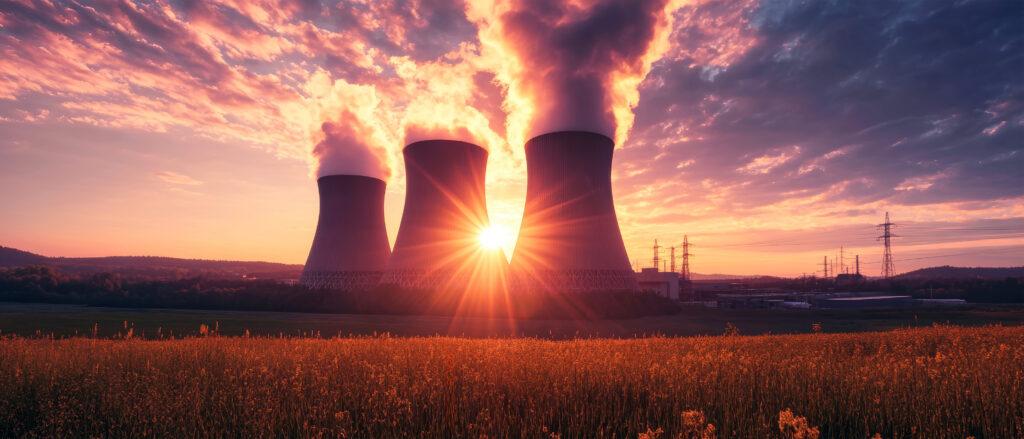
In that vein, Meta further shook things up by becoming the largest corporate buyer of nuclear power among hyperscalers, with a deal for a staggering 6.6 GW of capacity with Vistra, TerraPower, and Oklo.
According to Joel Kaplan, Chief Global Affairs Officer, Meta, the nuclear agreements make Meta “…one of the most significant corporate purchasers of nuclear energy in American history. State-of-the-art data centers and AI infrastructure are essential to securing America’s position as a global leader in AI. Nuclear energy will help power our AI future, strengthen our country’s energy infrastructure, and provide clean, reliable electricity for everyone.”
Meta’s investment in TerraPower, Vistra and Oklo will boost the development of next-gen nuclear reactors, and will provide the type of consistent power AI operations need. It will also help make Ohio a “nuclear hub” for tech companies, since Vistra, Oklo and others in the state are pursuing nuclear buildouts, as well as fuel production and fabrication.
Meta is paying for these AI infrastructure deals through a combination of core advertising profits, private credit financing, strategic asset management, and layoffs in other areas of the business, like 10% reduction in its Reality Labs division and VR-focused divisions.
