
 Susana Schwartz
AI factories: What are they and why they matter
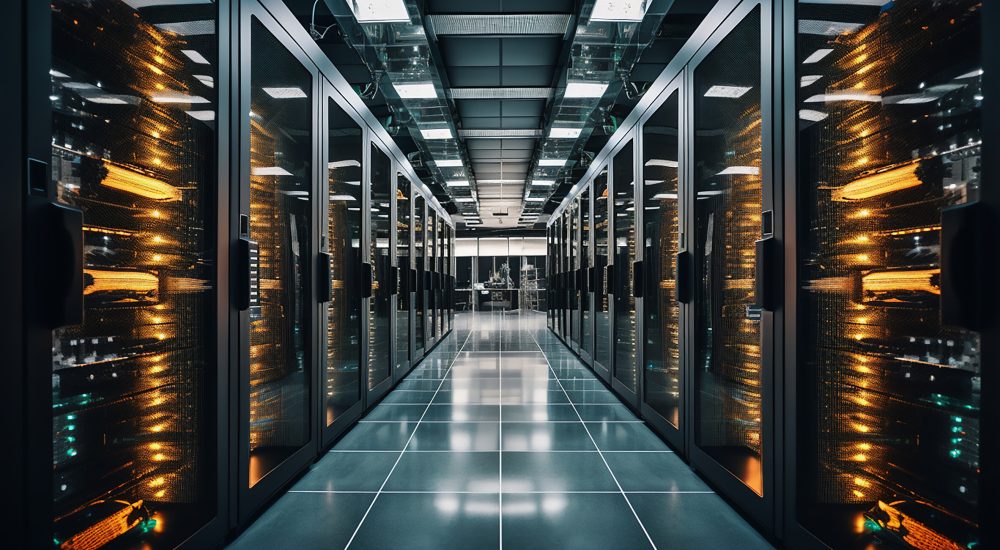
More and more about AI factories is appearing in the news, such as the announcement around Amazon’s AWS AI factory, touted as dedicated AWS AI infrastructure for enterprises, replete with Nvidia accelerated computing, Trainium chips, AI services, and AWS high-speed, low-latency networking. Microsoft also is getting into the space, connecting datacenters across the country in what it contends is its “first superfactory.”
But what are AI factories, and what are the use cases that would drive momentum in the private and public sectors?
These are the questions I asked of Shawn Rosemarin, vice president of R&D, customer engineering, at Pure Storage, who in today’s lead article explains the innovations that may come in the “next round of scale,” and the mistakes CIOs pressured by Boards to “put in data centers and call it ‘AI'” may make.
Read the story here, and check out the related on-demand panel discussion “AI factory: turning infrastructure into scalable AI production,” in which Rosemarin explores the foundational pillars and biggest challenges to AI factories along with Thomas Nadeau, co-chair Evenstar Workstream, Open Compute Project, and Ted Weatherford, vice president of business development at Xsight Labs.

Susana Schwartz
Technology Editor
RCRTech
AI Infrastructure Top Stories
Marvell’s big push into connectivity: Marvell Technology is shifting its focus from pure-play chip manufacturing to a broader, “end-to-end” connectivity strategy to address the main challenge of generative AI: moving data.
AI factories gain momentum, but why?: What’s the difference between AI factories and general-purpose data centers, and which use cases will justify the cost and risk? Shawn Rosemarin, Pure Storage VP of R&D talks to RCRTech.
Sub-sea cable is king: What is fiber-optic cable, who makes it, who manages it, and how it is changing? With 99% of the world’s internet/data traffic flowing on subsea systems, they knit together cross-border flows and play a critical role.
AI Today: What You Need to Know
China refuses Nvidia chips?: White House AI/crypto czar David Sacks said Beijing wants semiconductor self-reliance, refusing Nvidia’s advanced H200 AI chips. This news comes days after the Trump administration permitted purchase Nvidia’s H200.
Data center build impact on infrastructure: The data center boom could hinder other infrastructure projects, such as roads, bridges, and others competing for workers amid labor shortages from retirements and immigration crackdowns.
Turkish sovereign AI: Türkiye (formerly Turkey) is investing in sovereign AI infrastructure, and Ena Venture Capital said the region is worth a look, during a startup event, Take Off Istanbul 2025.
Siemens and GlobalFoundries partner: The two companies have announced a strategic collaboration on AI-driven automation of semiconductor production. Both parties consider the collaboration a technological alliance.
OpenAI “vesting cliff” implemented: Amid AI talent war, OpenAI has ended new hire vesting restriction to prevent poaching of talent by competitors. The relaxed restrictions are meant to keep new hires from leaving.
Gibo and eTotal compute centers: Gibo will collaborate with Malaysia-based E Total Technology Sdn Bhd to plan, source sites, and conduct feasibility studies. The project will incorporate NVIDIA’s most advanced AI chips and GPU architectures.