Susana Schwartz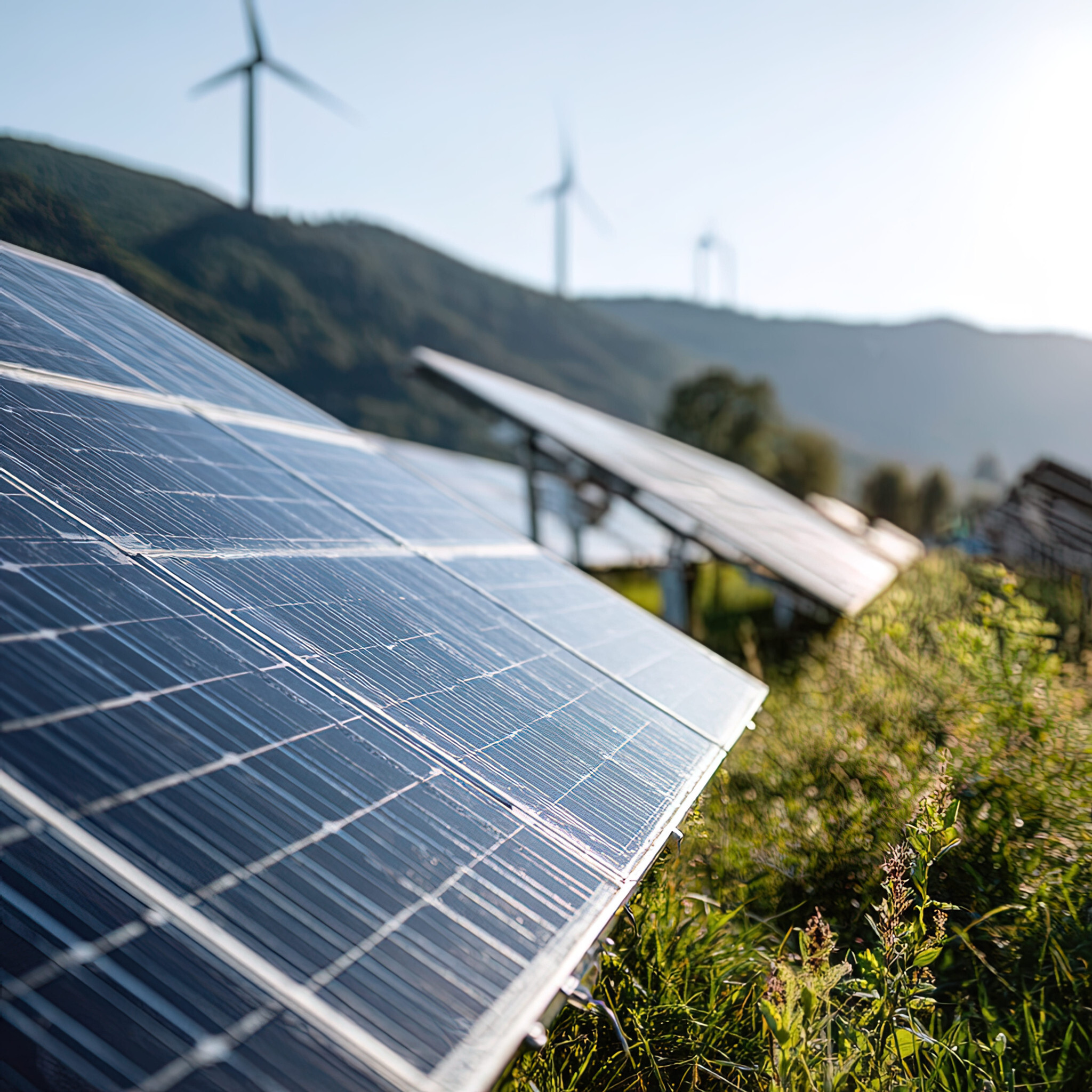
The data center carbon footprint is anticipated to more than double with a 160% increase, reaching approximately 25.25 million metric tons of CO₂e by 2028, according to analysis by Stand.earth Research Group (SRG).
Will this sharply increase the urgency and demand for carbon removal technologies and clean energy, or will hyperscalers and other AI stakeholders abandon corporate carbon-neutrality goals in favor of speed-to-power? In most major data center announcements, there’s a “green” or “100% renewable” component, but how much is greenwashing and how much is a physical reality?
For now, natural gas and coal (via the utilities data centers plug into) remain the dominant energy sources, and will remain so until hyperscalers focus on addressing the speed and reliability constraints of wind, solar, and other renewables (which currently do not meet the 24/7 “baseload” power demands of AI chips).
The question is whether leading hyperscalers will walk back “green” initiatives they once touted as competitive differentiators or will they push these initiatives forward? Just today, Microsoft indicated to carbon credit suppliers that it is pausing its carbon removal purchases. Microsoft has long been the leader in carbon removal, having purchased over 80% of all high-durability carbon removal credits to date. That means this pause will have significant implications on the carbon removal market.
In looking at Google, it seems it, too, has moved away from its long-standing “carbon neutral” label, though its focus on a 2030 Net Zero goal is now a prominent message.
A glimpse at Amazon shows it has expanded its Sustainability Exchange, a marketplace where it provides its own suppliers with access to high-quality carbon credits to help them lower their footprints. RCRTech will look at these and other initiatives, taking a deeper dive into what some of the leaders are doing, or not doing, with renewable strategy, carbon offsets, behind-the-meter colocation, SMRs, and more. In addition, an upcoming RCRTV AI TechTalk interview with Elea Data Centers will look at a Brazilian data center project aiming for 3.2GW of renewable energy. Can they be a model for others?

Susana Schwartz
Technology Editor
RCRTech
AI Infrastructure Top Stories
NTT Global – 30 MW in Kyoto: NTT Global Data Center’s Bruno Berti tells RCRTech enterprises and hyperscalers are seeking AI-ready capacity outside Tokyo, motivating the company to open its Keihanna OSK11 data center in Kyoto.
ABI Research looks at edge GPU infra: ABI Research talks to RCRTech about Nvidia’s AI grid concept and the bigger question of whether telcos should invest in distributed AI infrastructure – becoming critical nodes in a new AI grid.
RCRTV’s AI TechTalk: Check out 3 new interviews – CBRE Data Centers’ Pat Lynch and Gordon Dolven; Rich Miller, creator of Data Center Richness; Obinna Isiadinso, global sector lead on data center investments, International Finance Corp.
Sponsored report: In this new report, “Powering Sovereign AI at Scale,” Nvidia and Supermicro look at purpose-built AI Factories for secure, scalable, GPU-dense AI environments that support GenAI, RAG, LLM training, and real-time inference.
AI Today: What You Need to Know
$11.5B in DC construction: Data center construction spending reached $11.5 billion in February 2026 alone, putting the year-to-date total at $36.9 billion, say ConstructConnect economists Michael Guckes and Devin Bell.
Japan invests in Rapidus 2nm: Japan approved an additional $4 billion in funding for Rapidus to accelerate its domestic advanced chip ecosystem, aiming to produce 2nm logic chips and compete in the AI chip market.
OpenAI-Amazon alliance: In an ongoing break-up with Microsoft, OpenAI revenue chief Denise Dresser sent a memo to staffers on Sunday touting the company’s partnership with Amazon as a key way it will expand its enterprise market share.
TSMC reports record profits: TSMC is projected to report a 50% surge in net profit to approximately $17.1B, marking 4 consecutive quarters of record earnings fpr advanced AI chips and packaging, with 3nm capacity sold out into 2027.
Gartner $1.3 Trillion semi forecast: Driven by an AI buildout and severe memory shortages, global semiconductor revenue is projected to grow 64% in 2026, exceeding $1.3 trillion and marking the strongest growth in two decades.
Amazon challenges Nvidia: Amazon CEO Andy Jassy signaled a direct challenge to Nvidia and AMD by considering the sale of its own Trainium AI chips to third parties, leveraging a business unit currently operating at a $20B annual run rate.
RCR Events
Defense Communications Forum, April 28thJoin defense leaders, technology innovators and system integrators and explore how commercial network solutions can be adapted to meet defense-grade requirements, enabling secure, resilient, AI-driven, multi-bearer networks. Test & Measurement Forum, May 19thJoin the annual Test & Measurement Forum where industry leaders, innovators, and engineers come together to tackle the most pressing test and measurement challenges in telco today. Register now
Industry Resources
Webinar: Test, measurement and service assurance in the AI era
Market pulse report: The AI infrastructure platform shift is here
Research report: Preparing for Q-Day and the path to quantum-safe networks
Whitepaper: Powering sovereign AI at scale