
 Susana Schwartz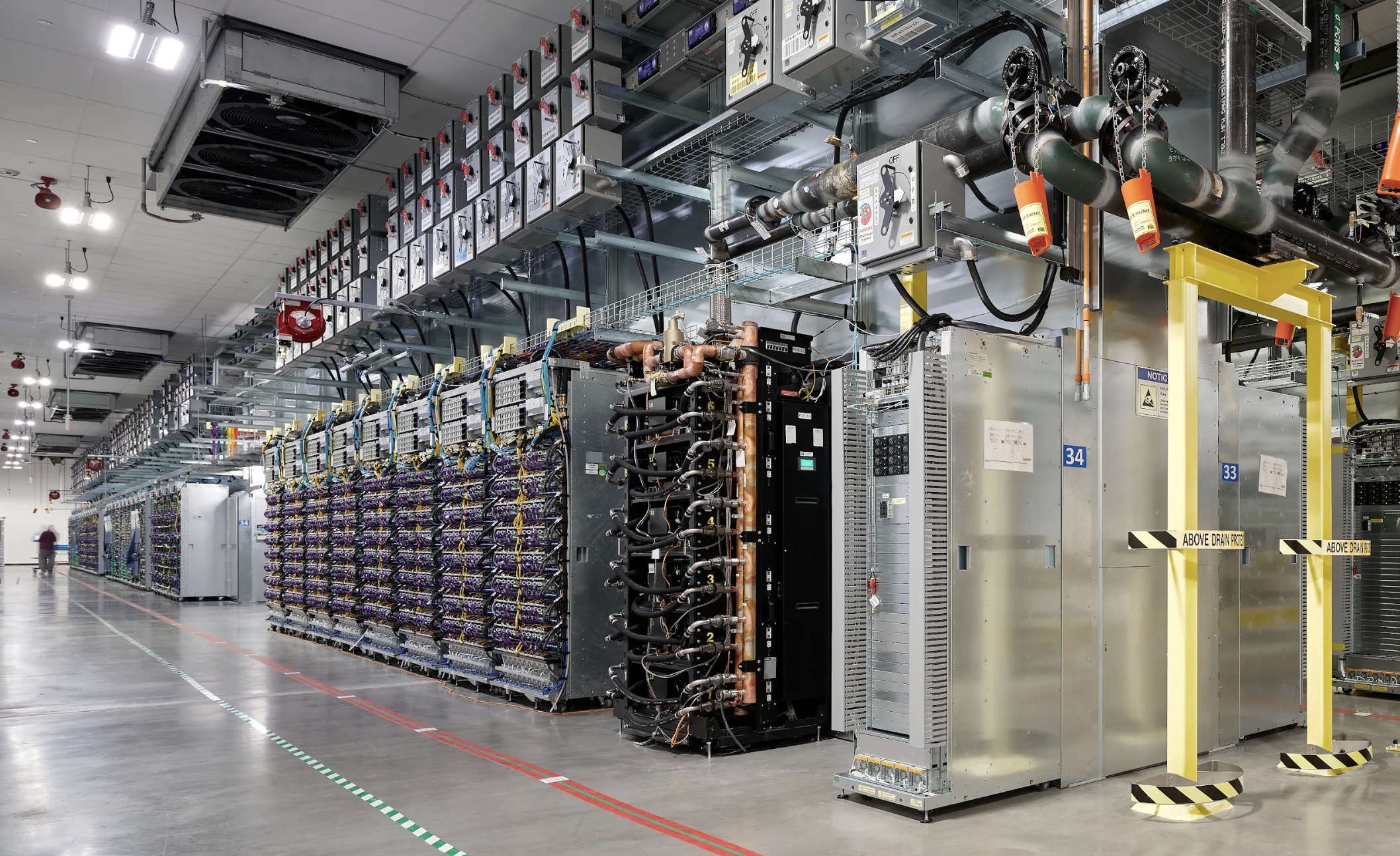
Data centers: they can build capacity, but can they protect 'affordability'?
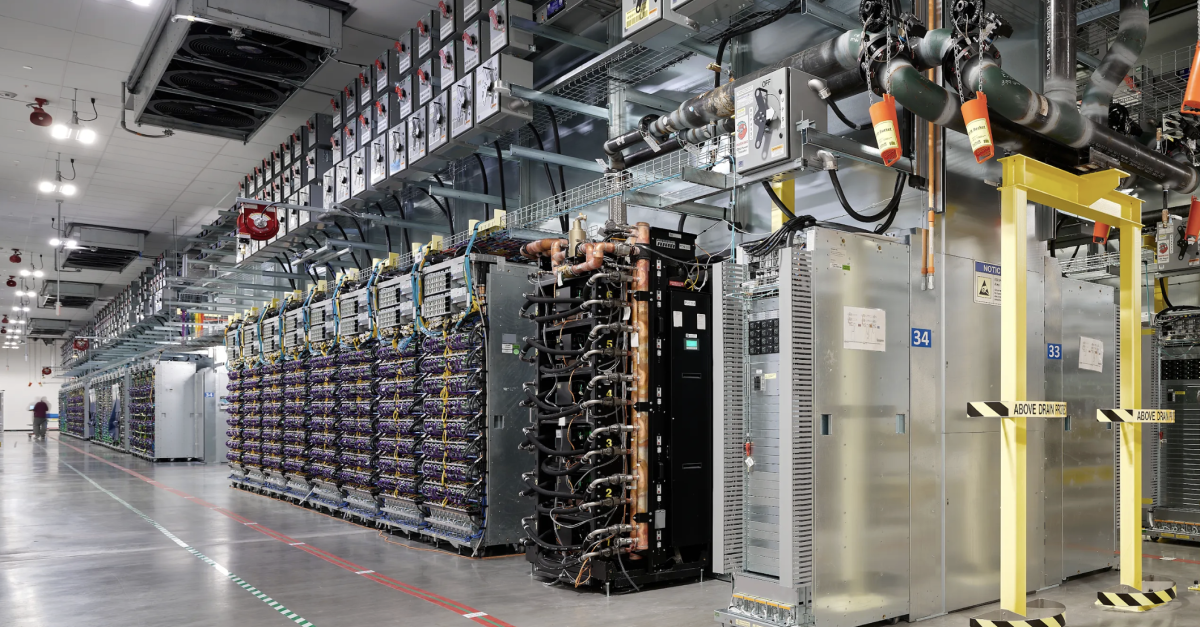
Can AI data centers “add resilience to the grid and boost affordability,” as stated by Alphabet President and CIO Ruth Porat on stage at yesterday’s BlackRock US Infrastructure Summit, held in Washington, D.C.? Porat announced that Google “just closed” on an acquisition of Intersect Power with the intent to build out capacity, and to become a “net investor of capacity and net contributor to the communities in which we build data centers.” Porat then went on to say data centers help “protect affordability,” something she backed by citing a 2025 Lawrence Berkeley National Laboratory (LBNL) and Brattle Group study that suggested data centers lower average electricity rates by allowing utilities to spread fixed infrastructure costs across a larger consumer base, and through more efficient grid management. She said, “States without data centers have seen electricity prices increase faster than states with data centers, on average.” That statement is a bit misleading, however, as it conflates low base rates with percentage growth, while ignoring distinct regional cost drivers. In other words, states without major data center hubs historically have lower electricity rates than states with data centers, which means a nominal increase results in a larger percentage hike (with the final bill still significantly lower than in high-cost data center hubs). RCRTech will report on other news from the Summit, so check back tomorrow for more highlights. Be sure to read our “Top Stories” and “What You Need to Know,” below.

Susana Schwartz
Technology Editor
RCRTech
AI Infrastructure Top Stories
AI-generated synthetic data: In sectors where laws limit the type of customer records and data that can be used for AI/ML, synthetic data is providing artificial datasets that statistically mirror actual customer behavior without real data points.
SMF reins, but not for long: Single-mode fiber (SMF) remains the most versatile medium of connectivity for long-haul and data center interconnects, but higher-capacity/lower-latency fiber specifically engineered for AI/ML workloads will win.
DigitalBridge CEO issues warning: Speaking at MetroConnect, DigitalBridge CEO Marc Ganzi warned “A will-cert letter does not mean you have a connection date,” noting that developers are looking at connection dates as far out as 2030 and 2032.
AI Today: What You Need to Know
Chris Wright on energy prices in Colorado: Speaking this week at Xcel Energy’s Fort St. Vrain Generating Station, U.S. Energy Secretary Chris Wright pushed for more natural gas and nuclear development in the state to lower electricity prices.
BlackRock Infrastructure Summit: Yesterday, Wright joined Alphabet President and CIO Ruth Porat, NextEra Energy CEO John Ketchum, and Global Infrastructure Partners’ Salim Samaha at the 2026 Infrastructure Summit in Washington.
Iran war impact on chip supply chain: Analysts warn that regional conflicts in the Middle East can threaten the supply of critical materials like helium and bromine, which are essential for chip manufacturing.
High-density optical connectivity: AI infrastructure is pushing optical connectivity into more demanding environments, which is why Corning Optical Communications is licensing PRIZM® TMT, with US Conec as the first licensee of optical ferrule tech.
Blue Owl’s $100+ billion pipeline: Blue Owl Capital is rapidly expanding AI infrastructure, with $1.7 billion raised for its Digital Infrastructure Trust, a portfolio of 100+ data center assets, and financial relationships with Meta and Oracle.
Data center electricity demands: EPRI “Powering Intelligence” research projects DCs will consume 9% to 17% of U.S. electricity by 2030, up from 4% to 5% today – 60% higher than prior scenarios, reflecting fast pace of DC development.
Meta’s custom silicon: Soon after massive Nvidia, AMD deals, Meta revealed four custom, in-house MTIA custom chips (manufactured by TSMC) to reduce reliance on 3rd-party silicon and manage long-term infrastructure costs.