
 Juan Pedro Tomás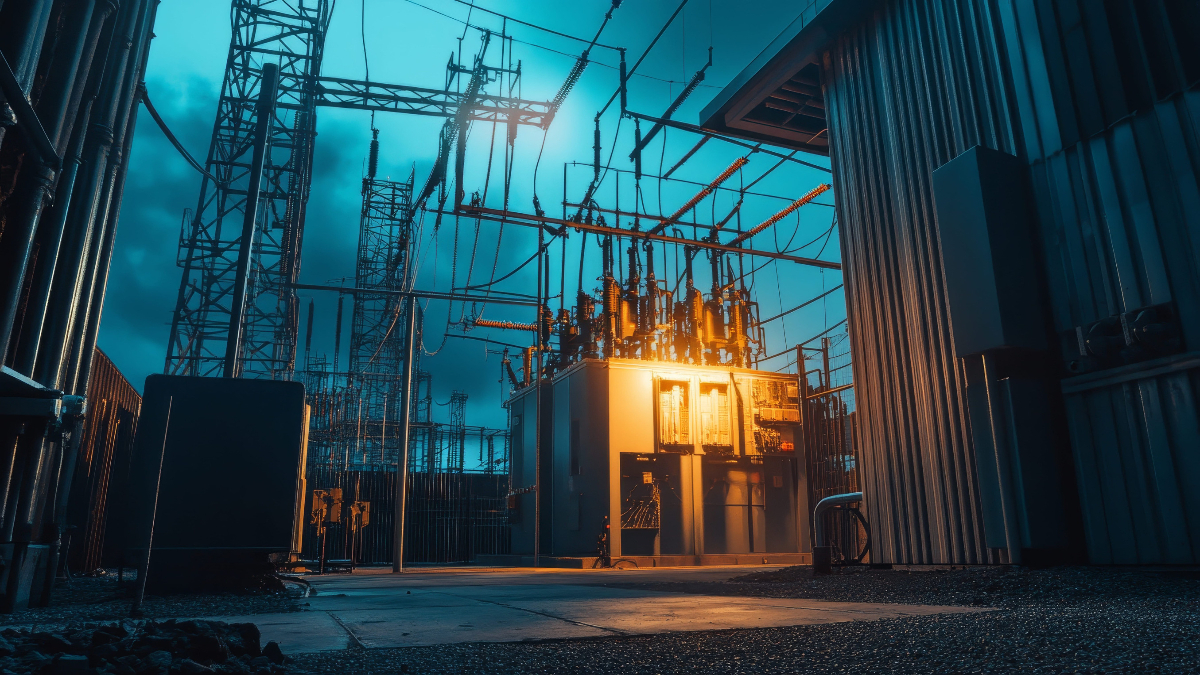
AI boom strains grid supply chain
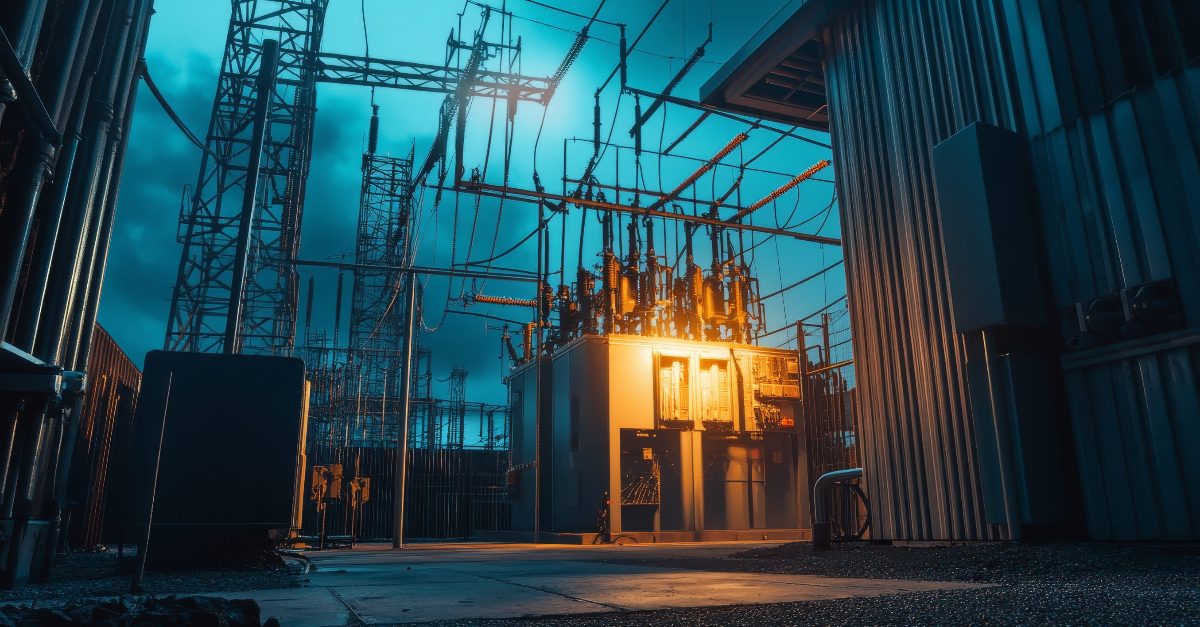
The AI data center buildout is no longer just driving demand for power—it is beginning to reshape the electrical equipment supply chain itself. A Reuters report highlights how U.S. utilities and developers are scrambling to secure transformers, switchgear, and circuit breakers as AI infrastructure projects multiply across the country. Lead times for some high-voltage transformers now stretch beyond three years, forcing utilities to order equipment up to five years in advance while developers diversify suppliers and lock in long-term agreements.
According to consultancy Wood Mackenzie, U.S. data center capacity could expand from around 24GW today to 110GW by 2030, increasing data centers’ share of the electrical equipment market from less than 2% in 2020 to as much as 40% under accelerated growth scenarios.
The report underscores that, alongside power generation and grid interconnection, the availability of critical electrical equipment is emerging as another major constraint on AI infrastructure expansion—adding pressure to domestic manufacturing capacity and reinforcing why supply chain resilience is becoming a strategic priority for hyperscalers, utilities and infrastructure developers alike.

Juan Pedro Tomas
Editor
RCRTech
AI Infrastructure Top Stories
AI chips compared: Google, Amazon, Microsoft, Meta, and OpenAI are all designing custom AI chips now. The architectures are quietly converging — and yet none of them have pried Nvidia loose from training.
AI’s real bottleneck: Dell’Oro says that power infrastructure—not liquid cooling—is becoming the defining constraint on AI data center expansion, while heat rejection, permitting delays, and grid access increasingly shape where future AI capacity gets built.
AI Today: What You Need to Know
Micron doubles AI bet: Micron expanded its long-term U.S. investment plans as surging AI memory demand drives additional semiconductor manufacturing, supply chain expansion, and domestic capacity to support next-generation AI infrastructure through 2035.
Meta advances custom silicon: Meta reportedly plans to begin manufacturing its first in-house Iris AI chip in September while expanding computing capacity to 14GW, reducing dependence on external GPU suppliers for AI infrastructure.
Dutch AI cloud launches: Volt and NorthC will launch a sovereign Dutch AI cloud this year, creating an early step toward a planned AI gigafactory supporting regulated industries with domestic AI infrastructure.
Toronto gains AI cluster: DeepInfra opened its first international AI inference data center in Toronto, adding more than 1,000 Blackwell GPUs as enterprise demand shifts from AI training toward production-scale inference workloads.
EPA targets permitting: A proposed EPA rule would remove public participation from permitting for many data centers using backup generators, sparking concerns over transparency as AI infrastructure expands across the United States.
AI boosts cooling: Growing AI rack densities and wider adoption of direct liquid cooling are expected to drive rapid expansion of the liquid cooling manifold market through 2035, according to a forecast.
RCR Events
Industry Resources
Webinar, July 7th: Noise-Figure Measurements with RFmx and PXI VSTs
Webinar, July 16th: NTN in motion — evolving standards, expanding services
Whitepaper: Powering sovereign AI at scale
Whitepaper: Scalable database design for 5G and beyond
Report: Scaling AIOPs from insight to action
Summit Access: GSMA Device Enablement Summit: How operators can fix device-network fragmentation
Whitepaper: Telco AI Enabler: Mediation’s defining role
Report: Securing telecom infrastructure for the quantum era
Report: Scaling optical networks for the AI and hyperscale era