Susana Schwartz
Can data center developers 'do better' amid growing community opposition?
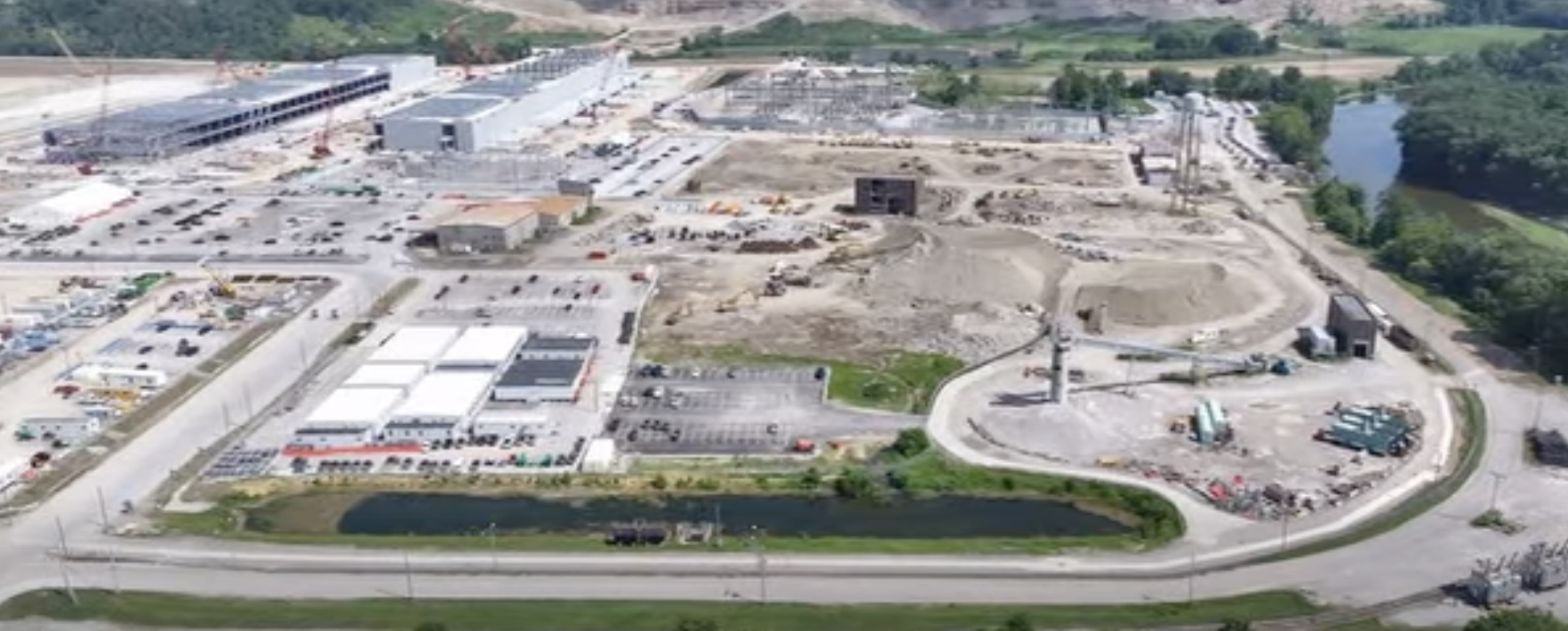
Opposition to data centers is now a major constraint for developers, with $130 billion to $170 billion in data center projects paused or stopped by community backlash. Opposition may have originally started with public panic over the massive physical footprints, resource demands, and rising utility bills, but the scope of the problem has gone beyond those initial crises.
While major hyperscalers have signed the White House’s Ratepayer Protection Pledge to protect consumers from electricity price hikes, also shifting to behind-the-meter (BTM) on-site power generation, public opposition remains fierce because these measures fail to address other issues that have since bubbled up.
For one, reporting about secret NDAs and a lack of transparency about financial agreements have galvanized people and politicians in impacted communities to attempt to take action. For example, a highly publicized study by the Carl Vinson Institute of Government at the University of Georgia, commissioned and published via the State Department of Audits and Accounts, found that data centers brought in $41 million in revenues, but received $474 million in tax exemptions. Since then, other examples of substantial tax-emption packages have convinced many everyday Americans that financial benefits to their communities will be minimal. As a result, there has been a growing push by watchdog organizations to stop the practice, but so far, Microsoft is the only hyperscaler to stop using NDAs with local governments.
In addition, there’s been a growing wave of frustration over continued efforts by some developers to tout massive local job growth when over the long term, permanent job numbers have been proven to be overstated, with recent research showing data centers have a fairly low jobs-to-investment ratio compared to other industries.
Last but not least, the very visible loss of green spaces, namely multigenerational farms and ranches, to data centers has triggered a particularly visceral response in communities where sustainable regional food security and longer-term local economic circulation is believed to better than short-term gains offered by data centers.
In today’s piece, “What data center operators can do better amid community opposition,” I take a cursory look at some of the actions data center developers could, and are, taking to build back public trust and change the dynamic that has currently halted or stopped certain data center projects. I would like to go deeper, so if you are a data center operator taking positive steps to build community trust and to create and show tangible benefits to “locals” in regions in which you operate, please reach out to me at sschwartz@rcrtech.com with your story.

Susana Schwartz
Technology Editor
RCRTech
AI Infrastructure Top Stories
DT’s T-Systems as a strategic asset: Deutsche Telekom is focusing on AI infrastructure, sovereign cloud, and fiber deployment, with growth across its markets in the first half of 2026, and 161,000 fiber net adds recorded in Q2.
Anthropic custom AI for Claude: Anthropic is officially building an in-house team to design custom AI chips for its Claude models – something that was already rumored, but has now been confirmed, with a dedicated silicon team assembling.
AI Today: What You Need to Know
Mark Zuckerberg: Mark Zuckerberg says “It’s surprising that the discourse from many developing AI is so filled with doom,” in his new strategic manifesto outlining Meta’s push toward “superintelligent” AI and its open-source model approach.
Alibaba may start charging: Alibaba may soon require major commercial users of its upcoming Qwen open-source AI model to share a portion of their revenue rather than providing free self-hosted access. It will still be free for individual developers.
CoreWeave sees 10% pop: CoreWeave topped Wall Street estimates for quarterly revenue and posted a smaller-than-expected loss, driven by strong demand for its AI cloud computing services, sending its shares nearly 10% higher in trading.
Lightcap exits OpenAI: OpenAI’s longtime COO Brad Lightcap, announced he is leaving the company to pursue new ventures. He was one of the longest-serving executives at OpenAI, now leaving the powerful AI lab to “start something new.”
Alpha Compute acquisition in PA: GPUaaS player Alpha Compute has signed a binding term sheet for a 200 MW natural gas-powered DC campus in PA, which includes unleased Marcellus gas rights for 1,800 oil and gas mineral acres.