
 Susana Schwartz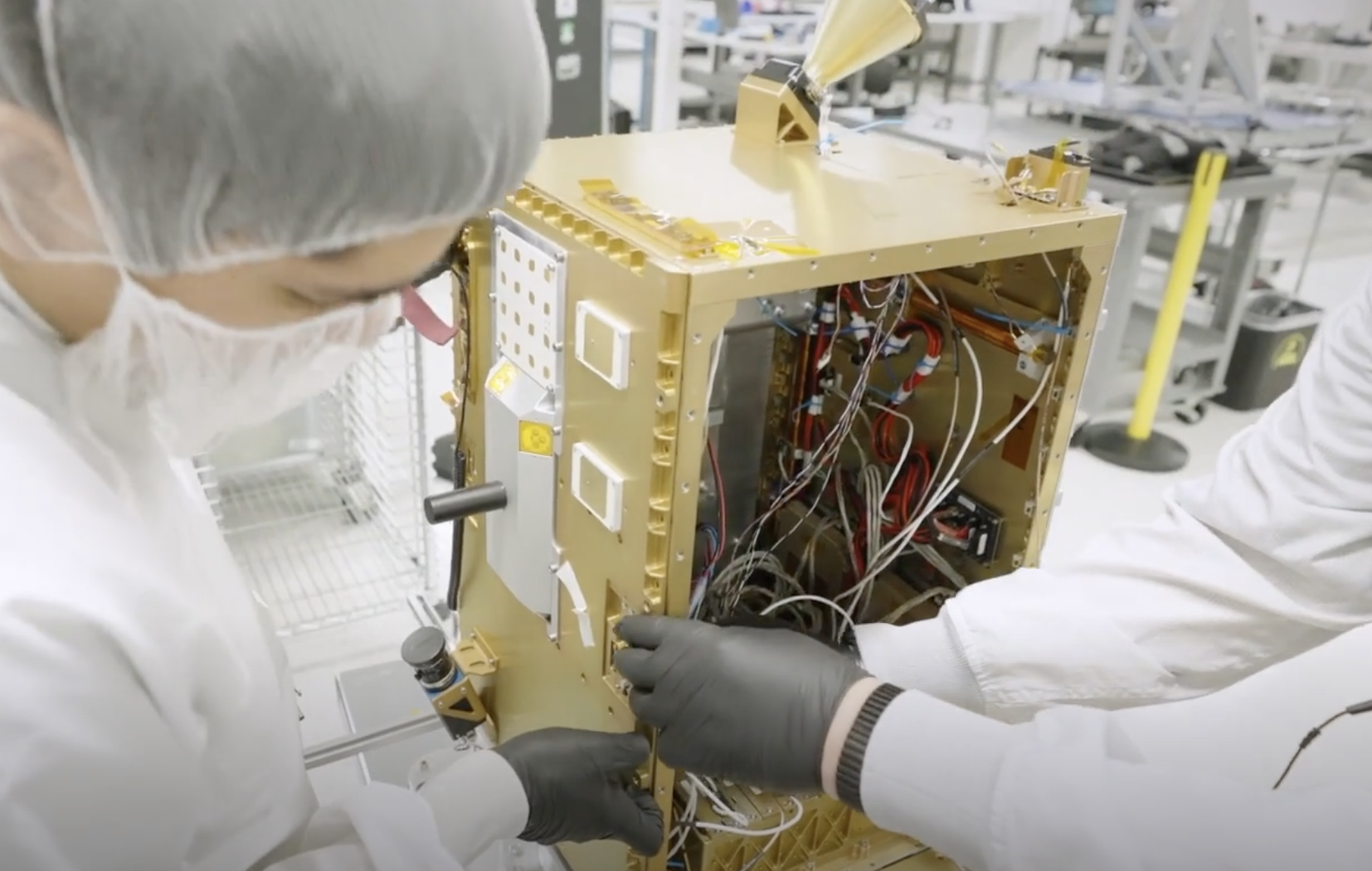
First AI model in space raises hope for orbital DCs
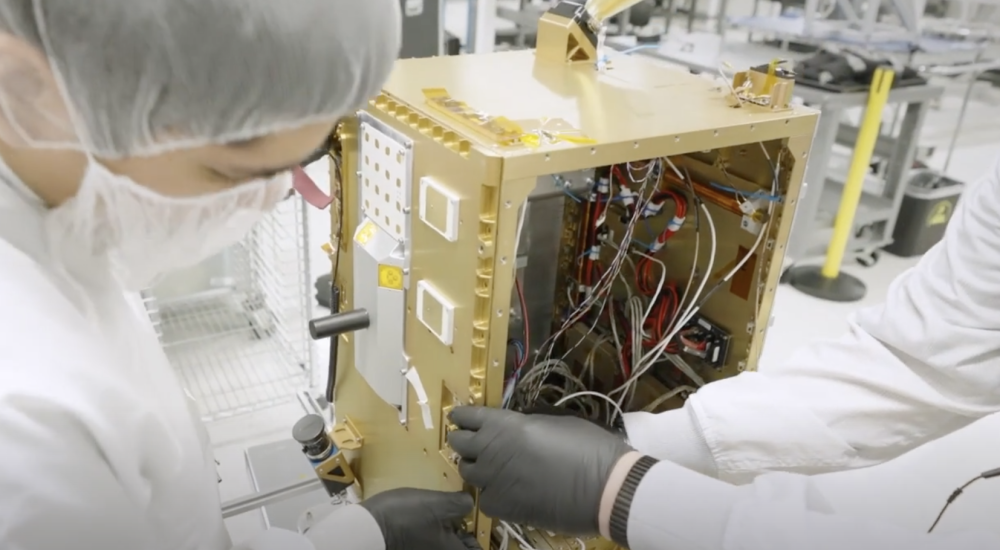
Right now, in orbit, the Starcloud-1 satellite is running and querying responses from Google LLM Gemma. Equipped with a Nvidia H100 GPU, the satellite is getting us one step closer to tapping the continuous sunlight and vacuum of space to power and cool data centers somewhere other than earth.
Hardware is a huge challenge, with Starcloud CEO Philip Johnston recently explaining to the World Economic Forum that a 5GW data center in space would require “a 4km x 4km solar panel with and a 1km x 4km radiator, which will dissipate heat and infrared into the vacuum of space.” That dissipation of heat could eliminate the need to boil off very large amounts of water on Earth, according to Johnston’s recent interviews. For context, typical evaporative cooling systems can boil off an average of 550,000 gallons (2.1 million liters) of water per day.
In addition to water usage, energy consumption will also exponentially increase, with projections that nearly half of U.S. electricity demand growth between now and 2030 will be attributable to data centers. As reported by RCRTech, utilities are grappling with unprecedented growth in demand, and costs are being passed on to consumers.
Crazy as it sounds, orbital AI data centers could become the most viable way to reduce the strain of data centers on Earth’s power grids and infrastructure. Bezos, Musk, Pichai and others with the moonshot money and thinking to do it are already in the early stages of a space race.
The next step will be lasers that will link satellites for communication to orbital data centers and Earth. That begs the question of how maintenance would be done. Robots? That’s an angle to ponder on another day.

Susana Schwartz
Technology Editor
RCRTech
AI Infrastructure Top Stories
Applied Digital CEO interview: In latest RCRWireless Let’s Get Digital episode, CEO Wes Cummins discusses how Applied Digital will conquer power-dense data center capacity with proactive supply chain, power, cooling, and land investment.
Indosat AI-RAN strategy: In an RCR Wireless interview with CTO Desmond Cheung explains how Indosat Ooredoo Hutchison will tap its AI-RAN Research Center and its AI Factory for real-time processing and lower latency.
Lowering global DC emissions: In addition to specialized hardware, software-level solutions like dynamic workload management tools detect peak energy periods and make intelligent adjustments. Some show potential for an 80-90% carbon reduction.
AI Today: What You Need to Know
New Google AI chief: Google has named Amin Vahdat as its new chief of AI infrastructure buildout. As the chief technologist for AI infrastructure, Vahdat reports to CEO Sundar Pichai, with a plan to spend $93 billion on AI infra by end of 2025.
Amazon $35B investment in India: Amazon has pledged a massive $35 billion worth of investments in India with a focus on “democratizing AI access to millions of Indians,” said Amit Agarwal, senior vice president for emerging markets at Amazon.
Big tech focuses on India: Microsoft pledged $17.5 billion for India, which means in less than 24 hours, both Amazon and Microsoft pledged a total of $50 billion to India. That’s in addition to Google’s pledge to invest $15 billion in India.
Environmental review, permitting reform: The Semiconductor Industry Association is urging the U.S. House of Representatives to pass the Standardizing Permitting and Expediting Economic Development (SPEED) Act of 2025.
Lenovo targets enterprise AI innovation: Lenovo announced new data storage, virtualization solutions and data management services, designed to help customers modernize IT and data infrastructure for enterprise applications.
No water needed: Crusoe has ordered 1.21GW of natural gas turbines from airliner company Boom Supersonic, which will supply 29 Superpower turbines and a 42 MW natural gas turbine that doesn’t need a dedicated water supply.