Home AI Infrastructure NewsletterIran war reveals data centers are targeted as 'critical infrastructure'
Iran war reveals data centers are targeted as 'critical infrastructure'

by Susana SchwartzSusana Schwartz
0 comments

Iran war reveals data centers are targeted as 'critical infrastructure'

154435254_m
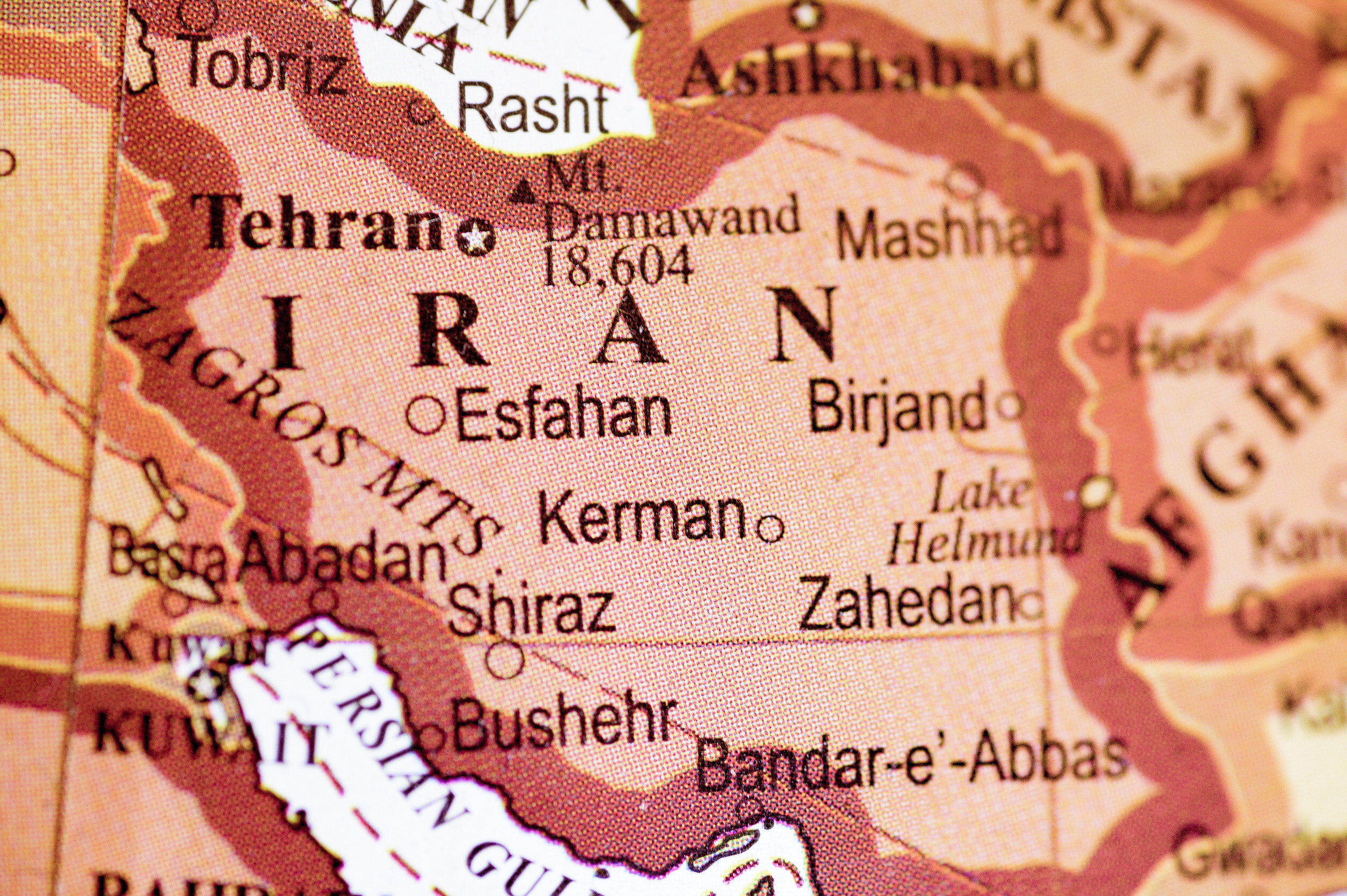
The Middle East boasts cheap energy and large masses of land, which has brought nearly $300 billion in projected AI investments in the Gulf. But the U.S. and Israeli-led war on Iran is forcing a reevaluation of data center security, location strategies, and supply chains. Iranian drone strikes on three Amazon Web Services facilities in the UAE and Bahrain reveals the vulnerabilities of AI infrastructure as a strategic, physical target, along with targeted military bases and oil and gas production facilities. AWS had planned a $5.3 billion AI data center in Saudi Arabia, the status of which is now unknown. As of March 2, 2026, the project was reaffirmed, but that was before direct attacks on other AWS regional assets. Traditionally, governments have not brought data centers into national security planning frameworks, but now they will have to. The sovereign, strategic nature of AI data centers will inevitably shift the focus to military-grade security for data centers. That could include anti-drone defense systems or reinforcing structures with concrete, as well as protecting vulnerable cooling components. Some data center developers and hyperscalers may even consider construction of underground facilities, which could take years longer than traditional builds. There will also, no doubt, be an emphasis on redundancy planning, as wars are proving to have a different dynamic than natural disasters. Inevitably, the war will also force a recalibration about the most obvious vulnerability: location. The vulnerability of data center sites may disrupt any trend toward concentrating AI data centers in one particular location, especially those prone to high conflict. It may become more strategic to spread infrastructure across different regions – especially across those with less geopolitical risk. Balancing that with the need for energized power will be difficult, but necessary.
Susana 2

Susana Schwartz
Technology Editor
RCRTech

AI Infrastructure Top Stories

Bridge DC considers nuclear power: APAC operator Bridge Data Centers signed an agreement with A*STAR’s Institute of High Performance Computing and HY to conduct nuclear power feasibility studies and risk simulations for AI workloads.

AI era resets telco economics: The AI era is a “generational transformation” that will reset telecom economics, says Jio chief Mathew Oommen, who believes the telecom industry has to prepare for “entirely new” economic opportunities.

Three newsworthy Keysight launches: RCR takes a closer look at the: Nvidia-Samsung AI-RAN testing workflow; MediaTek’s AI-driven uplink performance; Keysight-Ericsson dpre-6G troubleshooting and interoperability validation tool.

AI Today: What You Need to Know

Nvidia CEO’s ‘5-layer cake’ blog: In a rare “official blog,” Nvidia CEO Jensen Huang argued that AI will create, not kill jobs, and that akin to “electrification,” AI is an industrial buildout worthy of trillions of dollars in infrastructure.

Oracle – OpenAI quash 2GW goal: Oracle and OpenAI have canceled plans to expand their flagship Abilene Stargate data center campus to 2GW. According to Bloomberg reports, the expansion was complicated by financing challenges.

CoreWeave ‘flexibile capacity’ plans: CoreWeave has introduced a “unified consumption framework” to help customers “move beyond the binary choice of reserved capacity vs. on-demand capacity, with flexible pricing when demand shifts. 
 
AT&T $250B goal: AT&T CEO John Stankey committed more than $250 billion over 5 years for fiber and wireless networks in 3 strategic areas: always-on connectivity, investing in people and communities, and America’s connected economy. 
 

Nvidia China sales stalled: Nvidia has yet to recoup lost sales in China despite the Trump administration loosening restrictions. Increased security scrutiny in both countries have thwarted Nvidia CEO Huang’s lobbying efforts in both countries.

Wolfspeed’s new silicon carbide: Wolfspeed’s 10,000 V Silicon Carbide Power MOSFET has intrinsic TDDB lifetime analysis predicting 158,000 years of operation and achives 99% conversion efficiency for efficient thermal management.


Upcoming Events

This one-day virtual event will discuss the critical issues and challenges impacting the AI infrastructure ecosystem, examining the growth and evolution of the AI ecosystem as it scales and the need for flexible, sustainable solutions. 

Industry Resources

You may also like

This website uses cookies to improve your experience. We'll assume you're ok with this, but you can opt-out if you wish. Accept Read More