
 Susana Schwartz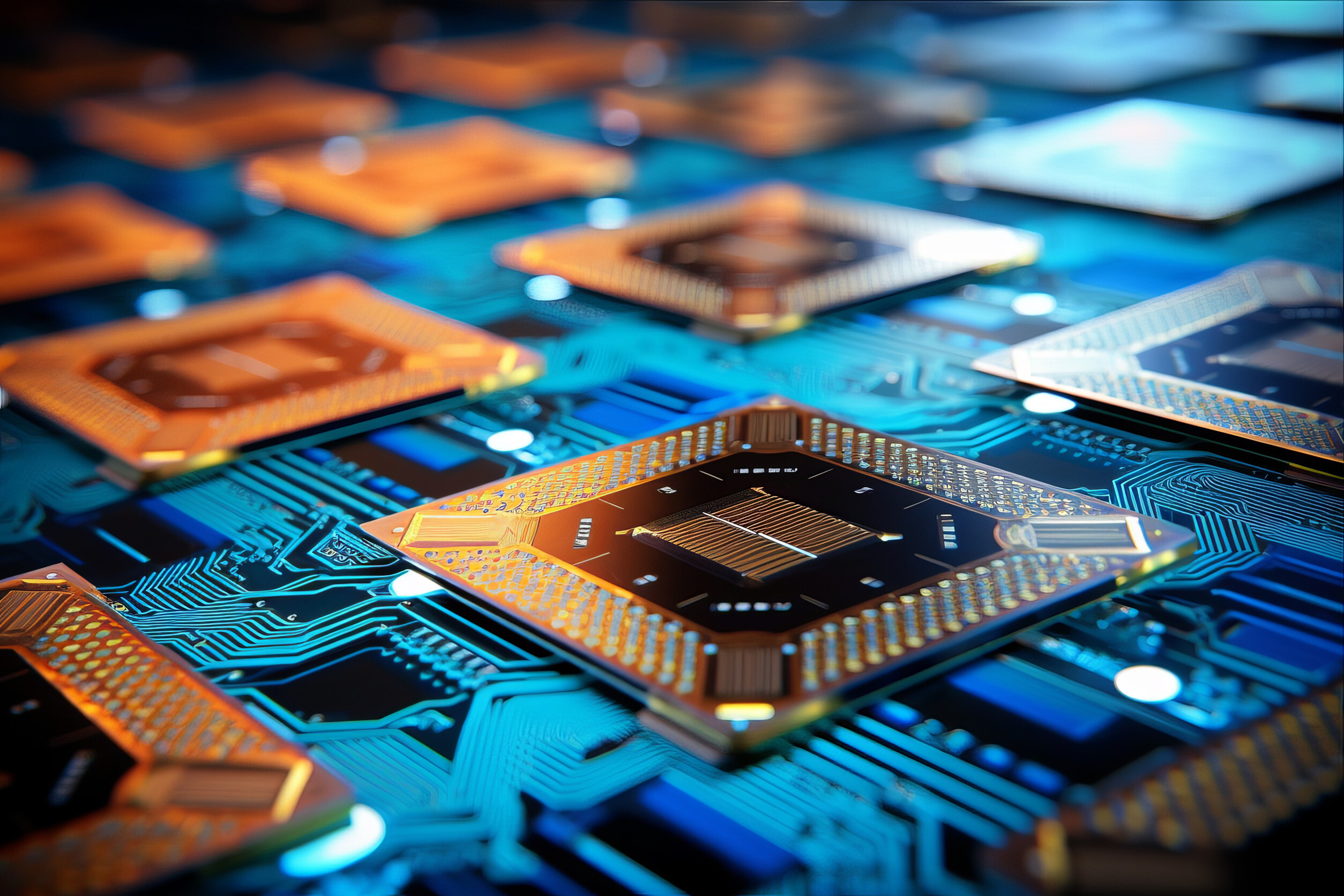
Modern chips can contain more than 100 billion complex nanodevices, many of which are less than 50 atoms across. With more than 800 diverse materials (also with multiple touchpoints), 70 different masks, and up to 2,000 steps in wafer fabrication, provenance, indeed, becomes a daunting task. Today’s featured story looks at the evolving multi-layered approach that integrates physical tracking hardware with digital verification systems, certifications, accreditations, standards, and protocols to establish provenance and “traceability” for different stages and components of semiconductor manufacturing. Recording all the interconnections and interactions as multitudes of people inspect, move, store and transport materials requires new levels of vigilance, and the public and private sectors, academia and industry are convening to tackle the challenges.

Susana Schwartz
Technology Editor
RCRTech
AI Infrastructure Top Stories
“Traceability” crucial in AI chips: Collaborative work toward “traceability” and provenance is accelerating as semiconductor complexity, and questions about sourcing and supply chains raise concerns about security and sovereignty.
AWS focuses on Earth-bound DCs Unless AI agents or robots are pouring the concrete, AWS president Jeetu Patel said space-based data centers remain far from practical. During Cisco’s AI Summit, he said the main challenge is DCs on Earth.
GSMA and RCR partnership: MWC26 Barcelona (March 2–5) will feature global leaders, advanced connectivity, and the integration of AI with 5G-Advanced networks as a way of reshaping mobile industry operations and revenue streams.
AI Today: What You Need to Know
Trump proposes DC pact: The Trump administration reportedly wants tech companies to sign a pact that would ensure data centers do not raise household electricity prices, strain water resources or undermine grid reliability.
Alphabet turns to debt funding: Alphabet is turning to the debt market to fund AI intelligence, raising $20 billion in bonds to bankroll its $185 billion AI infrastructure push. Analysts expect hyperscalers to invest more than $630 billion this year.
Cisco Silicon One G300: Cisco plans to turn the network into an AI innovation platform with the launch of the Silicon One G300, a 102.4 Tbps switching chip designed for massive AI cluster deployments, AI training and inference workloads.
VC firm’s growing influence: Andreessen Horowitz recently raised a whopping new $15 billion in funding, and is considered a “lobbying juggernaut” that is helping the Trump Administration shape AI policy.
NY mulls DC moratorium: Democratic lawmakers unveiled a bill on Friday that would prevent construction of new data centers in New York for three years, giving officials more time to study the impact of AI on electric bills and the environment.
Liquid cooling market is hot: The data center liquid cooling market is projected to grow from $0.28 billion in 2025 to $2.01 billion in 2032, at a CAGR of 32.7% during the forecast period, says Markets and Markets.
Upcoming Events
AI Infrastructure Forum 2025This one-day virtual event will discuss the critical issues and challenges impacting the AI infrastructure ecosystem, examining the growth and evolution of the AI ecosystem as it scales and the need for flexible, sustainable solutions.
Industry Resources
Report: AI infrastructure will power the next economic revolution
Report: How to test and assure telco AI infrastructure
On-demand webinar: How to test and assure telco AI infrastructure