Susana Schwartz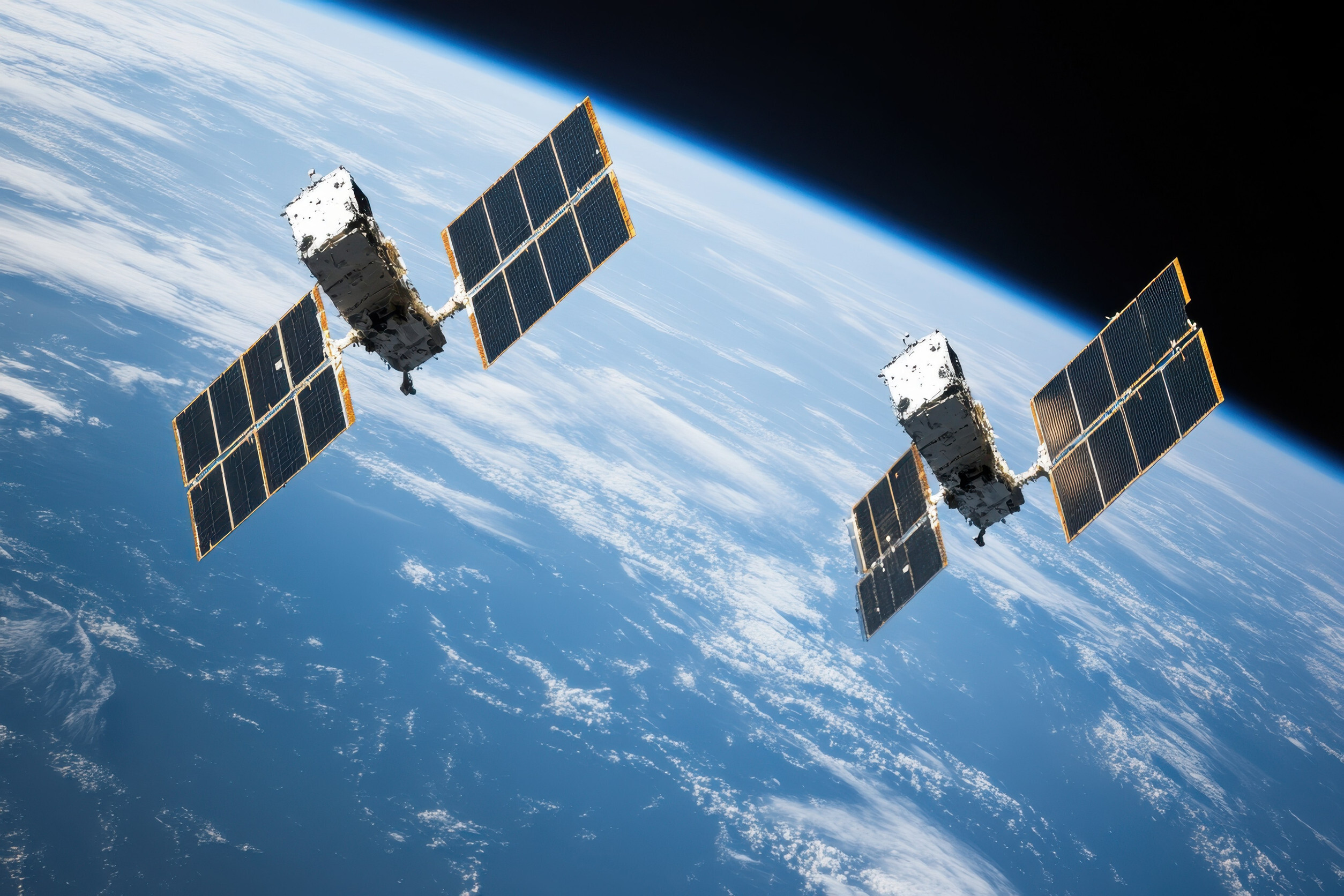
SAT Act seeks to accelerate space licenses
In our “Top Stories,” RCRTech reports on the Satellite and Telecommunications (SAT) Streamlining Act, which is moving through the U.S. Senate after reintroduction by Senators Ted Cruz (R-TX) and Peter Welch (D-VT). The bill’s timing is noticeably close to Elon Musk’s January 30 application to the FCC for an unprecedented 1 million satellites, which he said would serve as an “orbital data center” for AI. The SAT Act’s primary goal is to establish a “shot clock” for FCC decisions related to commercial space activities and to “expedite processing of satellite and space licenses, and for other purposes.” The SAT Act could also accelerate rural broadband deployments in areas where fiber rollouts are unprofitable for providers, although government subsidies are currently making such projects viable, such as the USDA ReConnect Program and the New York State ConnectAll Initiative. Additionally, satellite connectivity would be another type of “connective tissue” for Distributed AI and Edge Computing, which require frequent updates and data ingestion (which would be enabled by Low-Earth Orbit (LEO) constellations. All in all, this bill arrives as companies like SpaceX and Amazon push to integrate space launches, satellite infrastructure, and AI development. At the same time, opposition to “megaconstellations” is growing, as LEO satellites already interfere with ground-based optical and radio astronomy, and create radio noise and light trails that destroy scientific observation, according to the International Astronomical Union (IAU) and American Astronomical Society (AAS). The IAU and DarkSky International recently urged the FCC to reject SpaceX’s 1-million-satellite orbital data center, citing “irreversible damage to the night sky.”

Susana Schwartz
Technology Editor
RCRTech
AI Infrastructure Top Stories
Clearing regulatory backlog: The Senate Commerce Committee passed a bill that seeks to streamline FCC’s approval processes for satellites at a time when SpaceX and other commercial ventures want to build “data centers in space.”
Nokia Global Network Traffic Report: A new forecast from Nokia suggests WAN traffic could grow by as much as 700% by 2034, driven by inference time-to-first-token demands and agentic systems’ communications across regions and clouds.
Adani $100bn energy-compute plan: Adani Group unveiled a $100bn investment program for renewable-energy-powered, hyperscale AI-ready data centers across India by 2035 – one of the world’s largest energy–compute commitments.
AI Today: What You Need to Know
Altman ‘superintelligence’ ETA: OpenAI CEO Sam Altman speaking at the India AI Impact Summit, said “true versions of true superintelligence may arrive by 2028, with more intelligence capacity residing in data centers than outside of them.”
Microsoft $50bn pledge: Microsoft announced a $50 billion commitment by the end of the decade to expand AI to the Global South, though Bill Gates pulled out of the India AI Impact Summit due to Epstein files scrutiny.
OpenAI first Tata DC customer: OpenAI announced today that it would become the first customer of India’s Tata Consultancy Services’ data center business, beginning with 100 MW of capacity – eventually 1 GW as part of Stargate.
SEMI 2026 policy strategy: Building on the CHIPS and Science Act, SEMI’s 2026 U.S. Policy Strategy seeks to strengthen U.S. competitiveness, expand global market access, and innovate across the semiconductor ecosystem.
Clayco backs SMR deal: Clayco backed a DoE bid for a nuclear-powered data center campus at the Idaho National Laboratory, where Deep Atomic would incorporate its MK60 Small Modular Reactor following Clayco’s vertical build.